Bringing methane to Sunlight
Senseair Signature Performance for methane measurement
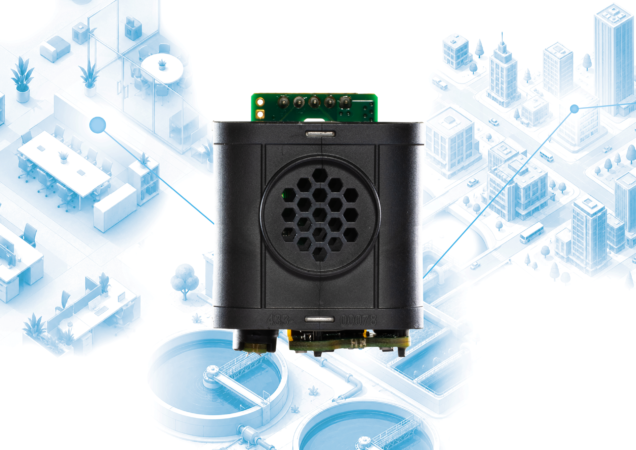
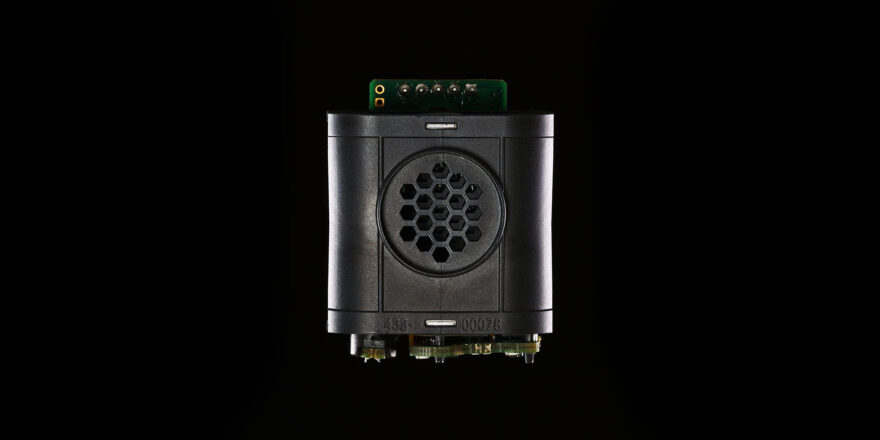
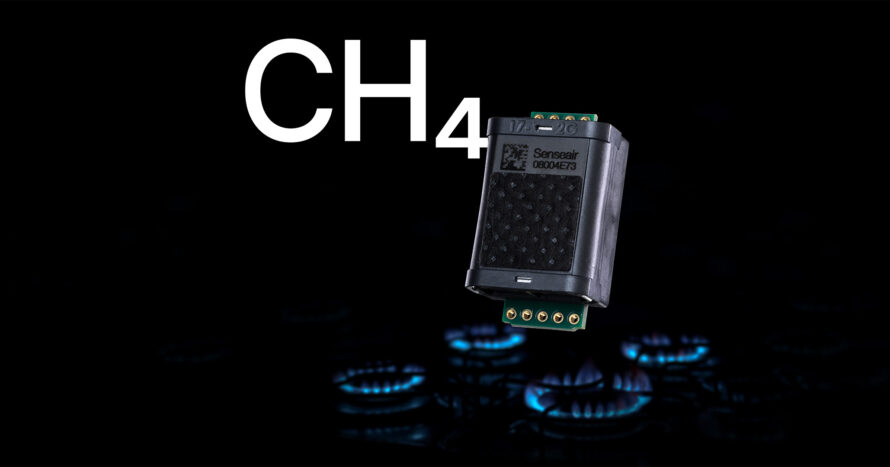
With Sunlight Methane, we are bringing decades of NDIR (non-dispersive infrared) experience and Senseair Signature Performance to methane measurement. Our K96 multi-gas prototype already supports CH₄ measurement. Sunlight Methane is our first dedicated methane sensor to enter the standard Senseair product range.
We want to make reliable methane detection easier to build into the equipment people use, and practical in places where installing and maintaining a detector has been difficult.
Finding leaks where gas is used
Methane is the main component of natural gas and the second-largest contributor to global warming after CO₂. Finding leaks matters both at oil and gas facilities and in the buildings supplied by their distribution networks.
Under the EU Methane Regulation, oil and gas operators must regularly check equipment for leaks, repair leaks and verify that the repairs have worked. US oil and gas standards also include leak detection and repair requirements. These obligations make methane measurement part of the ongoing work of looking after an installation.
Gas safety rules also affect the buildings where fuel is used. New York City, for example, requires natural gas alarms in covered residential buildings from January 2027.
Residential gas alarms
A residential gas alarm may spend years without ever detecting a leak. It still needs to be working when one occurs.
Battery operation gives the installer more freedom over where to fit it, including homes without a convenient power connection. Low sensor consumption helps keep battery changes further apart. That is useful for the person living there, and for a housing provider looking after alarms across many flats.
Boiler-room monitoring
A boiler room may be visited only when there is a fault or a service is due. A fixed methane detector can keep watch between those visits, including overnight or when the building is empty.
The warning also needs to reach someone who can act on it. Connecting the detector to the building management system lets a maintenance team see which location needs attention, even when it looks after several buildings.
Methane detection inside appliances
Inside a boiler, cooker or water heater, gas connections may be tucked away behind panels. A leak there can be hard to notice during normal use.
With a methane sensor built in, the appliance’s controller can use the reading to warn the user or initiate a protective response.
There is rarely much spare space inside an appliance. Sunlight Methane’s small format helps it fit alongside the components already there.
Outdoor leak indication
Checking gas meters and valves means covering many separate locations. Adding a detector at each one can involve a considerable amount of new cabling.
Low-power, connected monitoring nodes offer a way to reach locations where a wired installation would be awkward. With Sunlight Methane integrated into a protected node, local methane readings can be sent to the team looking after the network. An indication of elevated methane gives them a location to investigate.
Portable natural gas pipe sniffers
A technician checking pipework may need to move between joints, valves and fittings in awkward spaces. A small, affordable pipe sniffer is useful for checking higher methane concentrations close to a suspected leak.
Zero sensor warm-up removes one delay each time the instrument is switched on. Sunlight Methane’s readings can then be used for a simple display or audible indication as the technician works along the pipework.
Working with Sunlight Methane
Sunlight Methane uses true NDIR sensing and measures up to 5 %vol CH₄. We calibrate each sensor individually before delivery, so your electronics can work with a methane concentration reading through I²C or UART/Modbus.
We specify an expected lifetime of more than 15 years and have designed the sensor for maintenance-free operation. Its optical measurement principle also provides immunity to poisoning.
Sunlight Methane belongs to the same family as our CO₂ and refrigerant variants. If you already work with Sunlight, you can build on that experience when developing a methane product.
Talk to our engineers about what you are building and how it will be used. We can help you put our NDIR experience to work in your design.