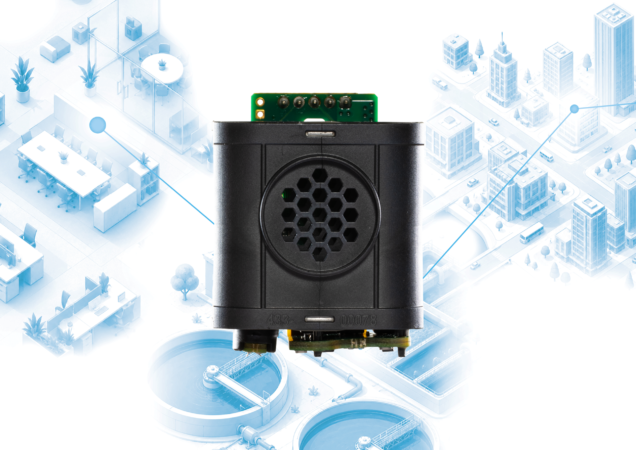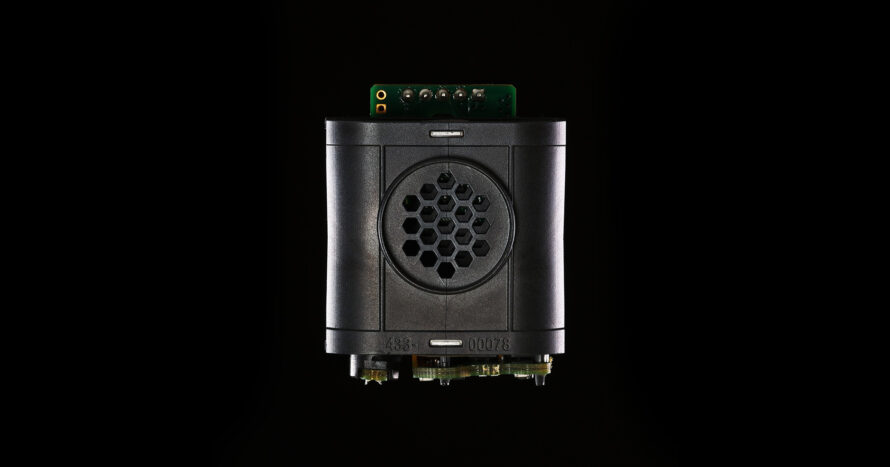
Senseair’s prototype multi-gas NDIR sensor core platform
Exploring Multi Gas Sensing
Some technologies are visible early on. Others stay in development for a long time before we say much about them publicly.
K96 is one of those projects.
We have not talked much about it before, but it deserves wider recognition because it says something important about how we work at Senseair and where our technology is heading.
K96 is a prototype sensor core developed by Senseair. It is a compact NDIR platform built to explore new ways of measuring gases in a small, efficient format. It is not a standard commercial product. It is a development platform that has been extensively tested in various EU research projects, showing how our infrared sensing technology can be adapted for new applications, field deployments, and broader gas sensing needs.
What K96 is
K96 is a small sensor core that combines optics and electronics in one unit. It was developed as a flexible platform that can be configured for different gases and different use cases.
The concept behind K96 is to create a compact sensor platform that can support more advanced gas measurement without becoming too large, too power hungry, or too complex to deploy in the field.
In published research, K96 is described as a sensor prototype based on a multi-path NDIR design. The idea is simple but powerful: several sensing capabilities brought together in one compact unit. Internally, it has often been described as ‘three sensors in one’, offering high-resolution gas measurement from a single sensor core. The platform has been presented for gases such as carbon dioxide, methane, nitrous oxide, and water vapor.
Why it matters
There is growing demand for gas sensing systems that can be used outside the lab in larger numbers and in more places. That includes environmental monitoring, greenhouse gas measurements, and applications where size, power consumption, and cost all matter.
This is where K96 becomes interesting.
The prototype was designed to be highly compact while still offering strong sensing capability. By combining three simultaneous measurement channels in one compact unit, K96 can support highly accurate gas measurements at sub-ppm resolution, while also helping compensate for cross-sensitivities between gases. That matters when sensors need to be integrated into instruments, distributed networks, or field-based monitoring solutions.
What K96 says about Senseair
K96 is not only about one prototype. It reflects a broader way of thinking at Senseair.
We build on long experience in NDIR gas sensing, but we also continue to test new formats, new architectures, and new application areas in close collaboration with research partners, academic groups, and private companies. K96 is an example of that work. Proven in the field through a range of development projects, it has helped us understand what new applications require and how our technology can be optimized for them.
It also shows something else. Innovation does not always begin with a finished product. Sometimes it starts with a platform that helps us test ideas, prove performance, and learn what the next generation of sensing can look like.
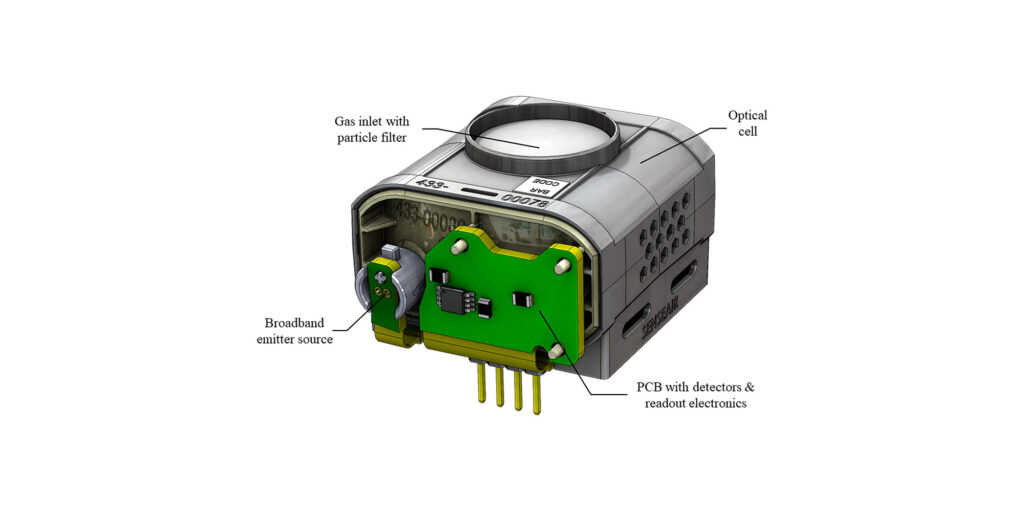
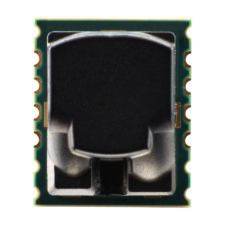
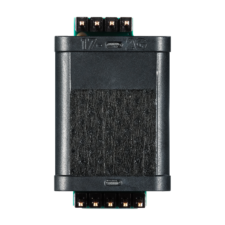
Figure: CAD view of the K96 sensor core, including the optical cell and integrated electronics.
A prototype with purpose
It is important to be clear about what K96 is today.
K96 is a prototype. It is not part of our regular product offering in the same way as our established sensor platforms. We are mentioning it because it represents real technical progress and because it helps explain the direction of our development work.
For us, it is a meaningful project. It brings together compact design, multi gas capability, and low power operation in a way that supports future sensing solutions.
Looking ahead
K96 gives a good picture of the kind of development work that continues behind the scenes at Senseair.
It shows how we are working to make gas sensing smaller, more flexible, and more useful in real deployment conditions. It also shows that our work does not stop with what is already on the market.
So yes, it is about time we talked about K96.
Not because it is a finished story, but because it is part of what comes next.