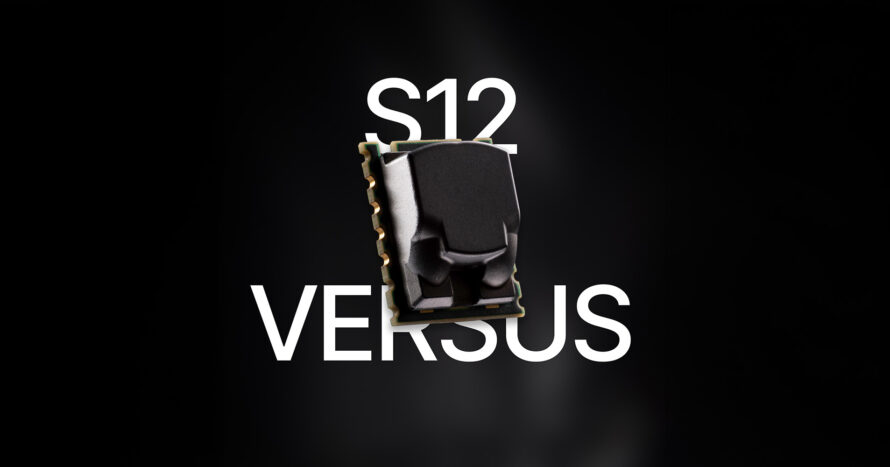
Senseair S12 crowned the winner
The first external performance evaluation of Senseair S12
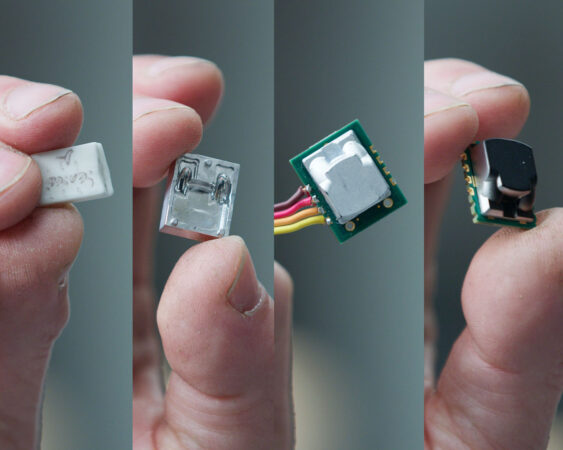
Senseair S12 came out on top in AirGradients well-argued comparison of three different CO₂ sensing approaches for portable air quality monitoring: True NDIR, photoacoustic sensing and thermal conductivity.
What makes the piece especially valuable is that it does not stay at the level of theory. It also presents a direct comparison between sensors built on these different measurement principles, tested side by side in the same portable device and under the same real-world conditions.
It is a valuable contribution because it focuses on something that matters greatly in practice but is often simplified in product discussions: the sensing principle itself.
For portable applications, sensor performance is not only about accuracy under stable indoor conditions. It is about how the sensor behaves when conditions change. Movement, temperature shifts, vibration, transitions between indoors and outdoors, and irregular operating patterns all place different demands on the measurement system.
“A sensor that only looks good when air is stable is probably wrong for this product.”
-AirGradient
That is where measurement principle becomes especially important.
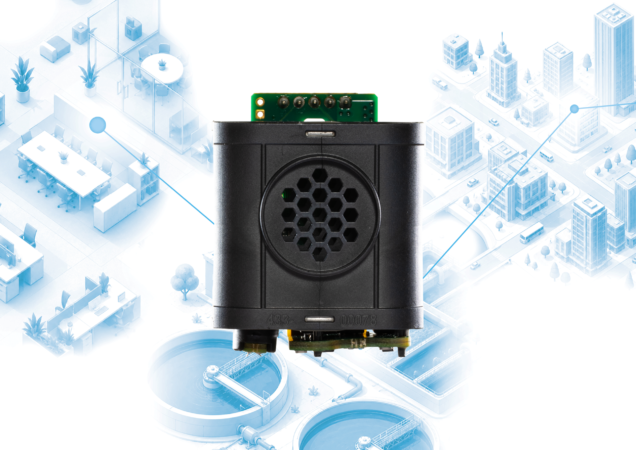
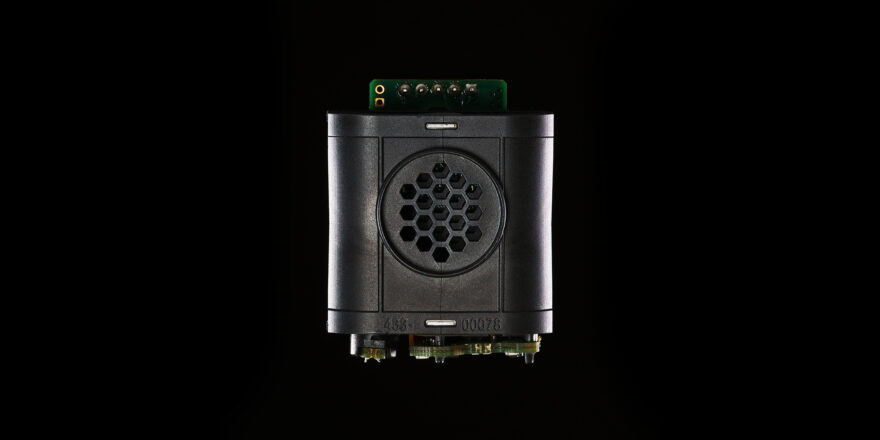
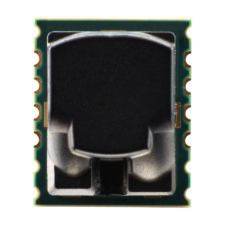
In AirGradient’s evaluation, Senseair S12 was used as a True NDIR reference and stood out for its stable and predictable behaviour under changing real-world conditions. Their results reflect something we know well from decades of CO₂ sensor development: direct optical measurement offers important advantages when robustness and consistency matter.
True NDIR measures CO₂ directly through infrared absorption. That directness helps reduce uncertainty from secondary effects and supports cleaner, more reliable signal behaviour in demanding environments. In portable use cases, that can make a meaningful difference, not just in the specification, but in the reading itself.
At Senseair, this is central to how we think about product development. Sensor performance is not defined only by what happens in controlled conditions. It is defined by how confidently a sensor performs where it is actually used. That is what we mean by Senseair signature performance: stable, dependable CO₂ measurement built on trusted physics and engineered for real applications.
We appreciate AirGradient’s transparent and thoughtful approach, and we are pleased to see Senseair S12 included in their work. It is encouraging to see more open discussion around how different sensing technologies perform outside idealised test environments.
For anyone developing portable CO₂ products, their publication is well worth reading.